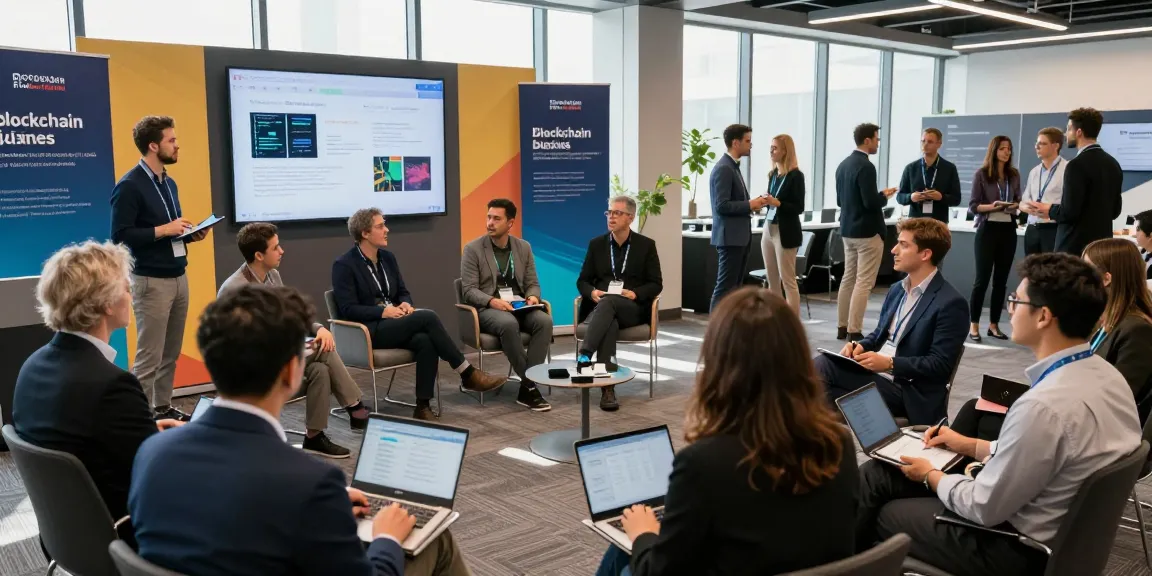
Introduction to Blockchain 2026
As we venture into 2026, the evolution of blockchain technology continues to drive significant change across diverse industries. With its decentralized architecture and ability to enhance transparency, blockchain has established itself as a cornerstone of modern technological advancements. This article explores the current landscape of blockchain, focusing on its implications, challenges, and innovations that are shaping the future. For comprehensive insights on blockchain 2026, we will delve into key trends, applications, and necessary preparations for individuals and businesses.
Understanding Blockchain Technology
At its core, blockchain is a distributed ledger technology that allows for secure and immutable transactions without the need for intermediaries. Each block in a blockchain is connected to the previous one, creating a chain of records that are verified by network participants, known as nodes. This enhances the security of data, ensuring that once information is recorded, it cannot be altered without consensus from the network.
Importance of Blockchain in 2026
In 2026, the relevance of blockchain technology will become increasingly apparent as sectors ranging from finance to healthcare look to optimize processes and reduce costs. Its potential to facilitate smart contracts and decentralized applications (dApps) will lead to more efficient operations, innovative service delivery, and a reduction in fraud.
Key Trends and Predictions
As we look ahead, several trends will dominate the blockchain space in 2026. The rise of decentralized finance (DeFi) will push traditional finance models to adapt, while advancements in non-fungible tokens (NFTs) will transform how we view digital ownership. Furthermore, the integration of blockchain with artificial intelligence (AI) and the Internet of Things (IoT) will create new business models and efficiencies.
Emerging Blockchain Applications for 2026
Decentralized Finance (DeFi) Growth
DeFi is poised to revolutionize financial services by allowing users to engage in lending, borrowing, and trading without traditional bank intermediaries. By 2026, the total value locked in DeFi platforms is expected to exceed hundreds of billions, driven by enhanced user experiences and regulatory clarity. More individuals will engage in cryptocurrency investments, contributing to a significant shift in the financial landscape.
Blockchain in Supply Chain Management
Blockchain’s ability to improve transparency and traceability makes it an ideal fit for supply chain management. In 2026, organizations will increasingly adopt blockchain solutions to ensure product authenticity, monitor consumer goods from origin to sale, and reduce fraud. This will not only enhance operational efficiencies but also build consumer trust in brands.
Innovations in Smart Contracts
Smart contracts, self-executing contracts with the terms written into code, will become more sophisticated by 2026. As blockchain technology matures, smart contracts will automate complex transactions across various industries, such as real estate and entertainment, leading to faster and more reliable agreements. This shift will also minimize the potential for disputes and enhance compliance through automated auditing processes.
Challenges Facing Blockchain Technology
Scalability and Performance Issues
Despite its advantages, blockchain technology still faces scalability challenges. Many networks struggle to handle large volumes of transactions, leading to delays and increased costs. By 2026, ongoing research and development are expected to yield new consensus algorithms and layer-two solutions like rollups, which will mitigate these issues and enhance performance.
Regulatory Landscape in 2026
The regulatory environment surrounding blockchain and cryptocurrencies is still evolving. In 2026, clearer frameworks will emerge as governments and financial authorities seek to balance innovation with consumer protection. Compliance will become essential for blockchain startups and traditional businesses alike, requiring agility in adapting to new regulations.
Security Concerns and Solutions
Security remains a paramount concern for blockchain technology. As seen in previous years, vulnerabilities can lead to significant financial losses and damage to reputations. To combat this, 2026 will see an increased focus on developing more robust security protocols and utilizing cryptographic advancements to enhance data protection across blockchain networks.
How to Prepare for Blockchain 2026
Investing in Blockchain Startups
As the blockchain landscape evolves, potential investors should consider exploring opportunities in emerging blockchain startups. Assessing projects based on their technological foundations, use cases, and team expertise will help identify promising ventures that could yield significant returns in the years to come.
Enhancing Skills for Blockchain Professionals
Professionals looking to thrive in the blockchain space should invest in enhancing their skill sets. Acquiring knowledge in smart contract development, blockchain architecture, and regulatory compliance will be invaluable. Several online platforms now offer specialized courses aimed at developing these competencies, making it easier for anyone to enter the field.
Networking and Community Engagement
Building a network within the blockchain community can provide significant advantages. Attending conferences, participating in meetups, and joining online forums will help individuals stay informed about industry trends and connect with like-minded professionals. Collaborations and partnerships often lead to innovative projects and career opportunities.
Future of Blockchain Beyond 2026
Anticipated Technological Advancements
Beyond 2026, we can expect blockchain technology to integrate further with cutting-edge technologies like AI and machine learning. This convergence could lead to smarter applications capable of leveraging data analytics to improve decision-making processes across various sectors.
Potential Market Disruptions
The continued rise of blockchain solutions will disrupt traditional business models, particularly in finance, insurance, and supply chains. Companies that fail to adapt to this digital transformation risk losing their market share to more agile competitors leveraging blockchain technology for competitive advantage.
Long-term Impacts of Blockchain on Society
The long-term societal impacts of blockchain technology will be profound. As it enhances transparency and trust in data sharing, consumers will likely demand greater accountability from organizations. This will lead to shifts in governance models and inspire new business practices focused on ethical standards and sustainability.
How Will Blockchain Shape the Future?
Looking forward, the potential of blockchain to provide solutions to global challenges cannot be overstated. From financial inclusion initiatives to enabling secure digital identities, blockchain technology is positioned to play a critical role in shaping a more equitable and interconnected world. By investing in this technology, society can harness its transformative power for generational change.